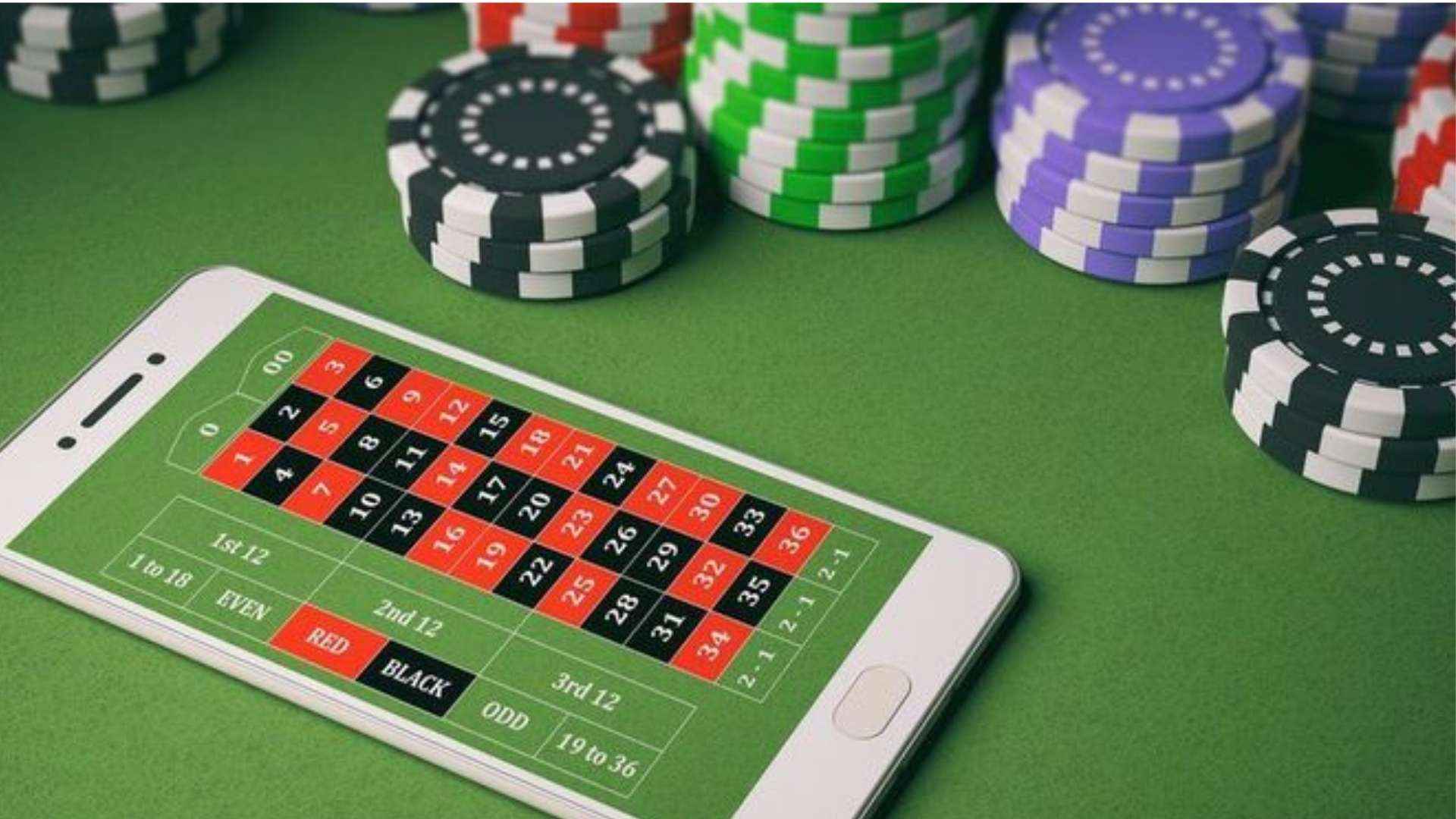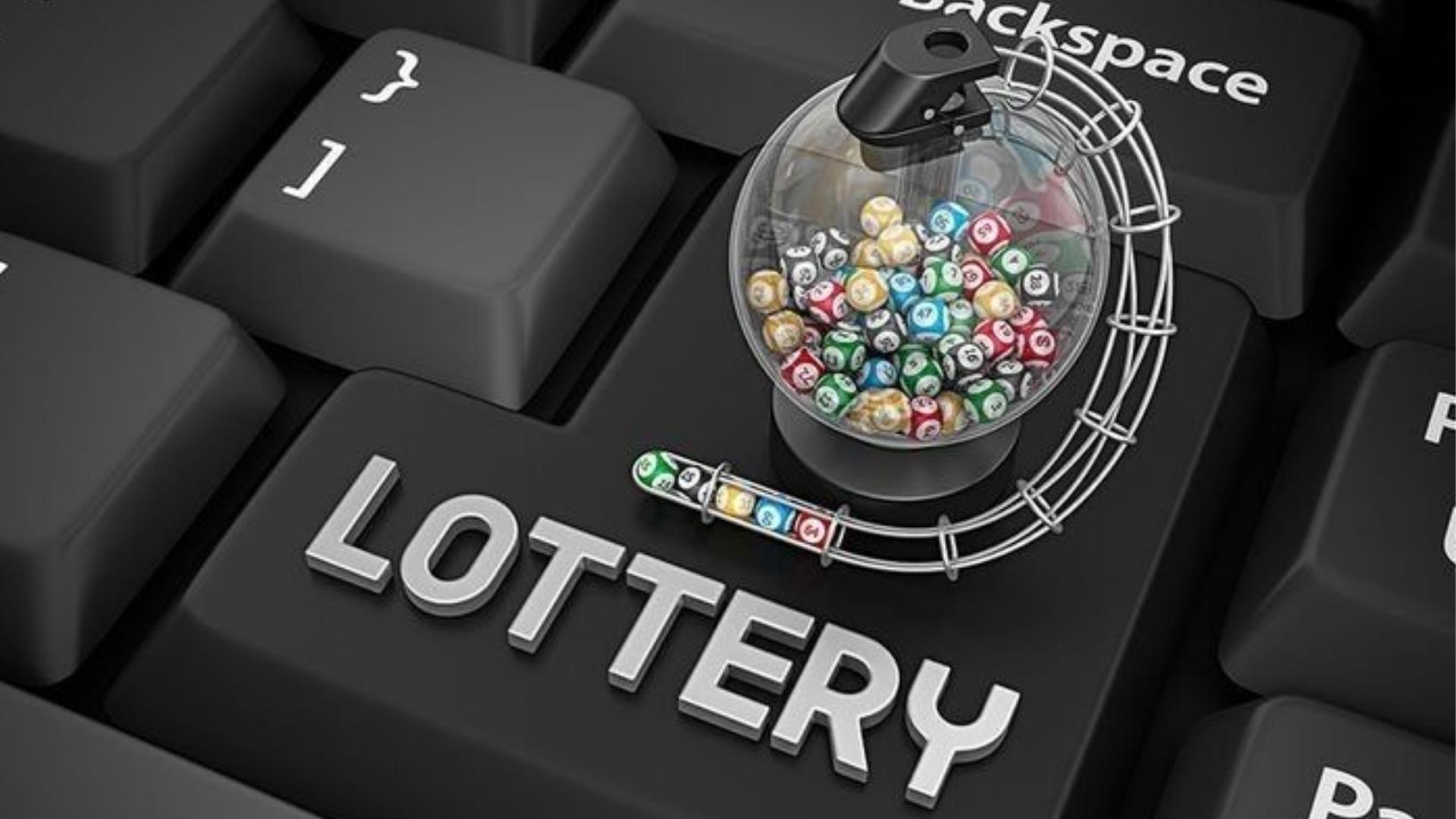
Digital number games have gained immense popularity as quick, engaging activities for people seeking a brief mental break during their daily routines. When approached with the right mindset, these pastimes offer light entertainment without placing unnecessary pressure on the participant. Treating numerical draws and grid puzzles purely as casual leisure ensures that the experience remains enjoyable, stress-free, and balanced over time.
Reframing the Mindset for Maximum Enjoyment
Approaching number-based activities as simple hobbies helps maintain a healthy relationship with digital entertainment. Players who view each session as a lighthearted activity are better equipped to enjoy the process regardless of the outcome. This balanced perspective prevents frustration and keeps the focus centered on fun.
When expectation is detached from specific results, the intrinsic value of the game comes forward. Participants can appreciate the visual presentation, mathematical logic, and quick pace without feeling emotional strain. Maintaining this objective outlook is essential for long-term satisfaction.
The Psychological Benefits of Low-Stakes Play
Engaging with casual numeric puzzles offers a pleasant form of mental stimulation that can help clear the mind after intensive work tasks. Because the mechanics are simple and intuitive, players experience moderate cognitive engagement without suffering from decision fatigue. This makes short gaming sessions an effective way to unwind during breaks.
Furthermore, keeping sessions brief prevents the build-up of unnecessary excitement or anxiety. By setting natural boundaries on duration, individuals preserve their energy and focus for daily responsibilities. Casual play fits smoothly into a well-rounded lifestyle without disrupting routine obligations.
Establishing Healthy Boundaries and Guidelines
To keep numerical entertainment light and sustainable, setting clear guidelines before starting any session is beneficial. Establishing time limits guarantees that casual play does not encroaching on important personal or professional commitments. Simple self-management techniques go a long way toward protecting one's personal time.
Developing a structured routine allows enthusiasts to enjoy interactive features while staying completely in control. Keeping personal entertainment within realistic limits protects emotional well-being and financial health. Knowing when to stop ensures that every session ends on a positive note.
Focusing on Community and Shared Experiences
Many modern platforms now offer social features that allow players to connect, compare insights, and discuss strategies. Engaging with broader communities shifts the focus from individual outcomes to shared camaraderie and lightweight competition. This social dimension enhances the overall leisure aspect of digital gaming.
Participating in discussions about probability and game mechanics can also be an educational experience for players of all background levels. Exchanging ideas with peers encourages a broader understanding of how these systems function in real-time environments. Ultimately, shared enjoyment reinforces the idea that number games are best experienced as light social entertainment.